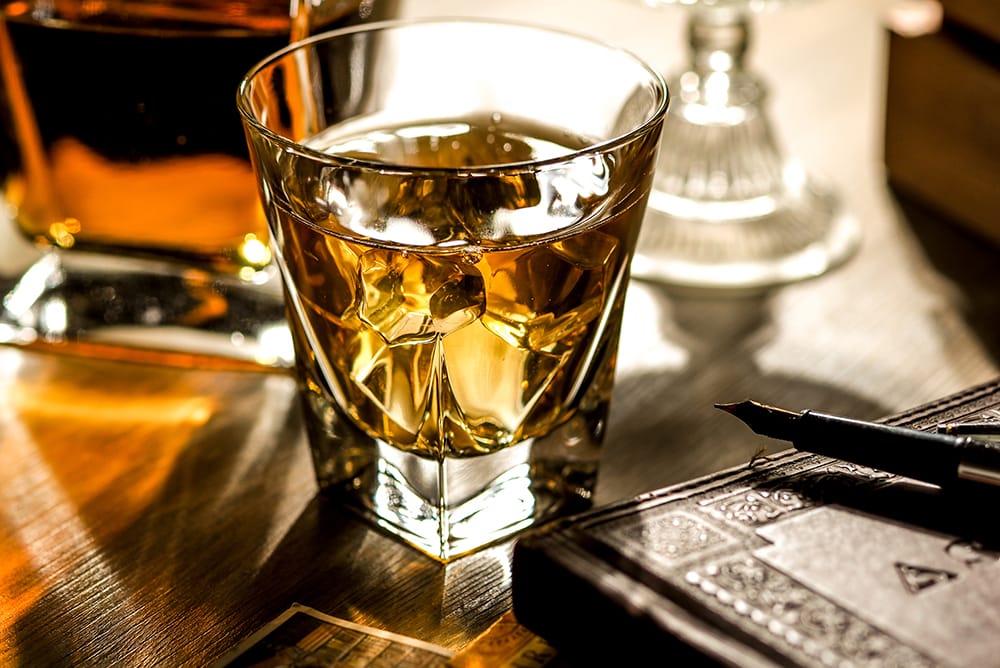
The whisky industry has experienced a surge in popularity in recent years, with more and more people around the world developing a taste for this fine spirit. Whisky, also known as whiskey in some countries, is a distilled alcoholic beverage made from fermented grain mash. It is aged in wooden casks, typically made of oak, which gives it its distinct flavor and character.
With the growing interest in whisky, it is important for consumers and collectors to understand the factors that influence whisky pricing. The price of a bottle of whisky can vary greatly depending on various factors such as age, rarity, brand reputation, production methods, barrel type, location, whisky awards, and global demand. By understanding these factors, consumers can make informed decisions when purchasing whisky and collectors can better assess the value of their collections.
The Basics of Whisky Pricing: What You Need to Know
Whisky pricing is influenced by a variety of factors that contribute to the overall value of a bottle. One of the most important factors is the quality and taste of the whisky. Whiskies that are considered to be of higher quality and have a more complex flavor profile are often priced higher than those that are considered to be of lower quality.
Another factor that influences whisky pricing is the age of the whisky. Ageing whisky in oak casks allows it to develop more complex flavors and aromas over time. Older whiskies are often more expensive because they have been aged for a longer period of time, which requires more time and resources from the distillery.
The Role of Age in Whisky Pricing: How It Affects the Cost
Age plays a significant role in determining the cost of a bottle of whisky. As whisky ages in oak casks, it undergoes a process called maturation, during which it absorbs flavors from the wood and undergoes chemical changes that contribute to its overall flavor profile.
Older whiskies are generally more expensive because they have been aged for a longer period of time, which requires more time and resources from the distillery. The longer a whisky is aged, the more complex its flavors and aromas become, making it more desirable to whisky enthusiasts and collectors.
However, it is important to note that age is not the only factor that determines the quality of a whisky. While older whiskies are often associated with higher quality, there are many exceptional younger whiskies that can rival their older counterparts in terms of taste and complexity.
The Impact of Rarity on Whisky Prices: Understanding the Scarcity Factor
Rarity is another factor that greatly influences the price of whisky. Whiskies that are considered to be rare or limited edition are often priced higher due to their scarcity. This is because the production of these whiskies is limited, either due to a small batch size or because they are no longer being produced.
The scarcity factor adds to the desirability and exclusivity of these whiskies, making them highly sought after by collectors and enthusiasts. Some examples of rare whiskies include those from closed distilleries, whiskies from specific vintages, or whiskies that have been aged for an exceptionally long period of time.
The Influence of Brand Reputation on Whisky Prices: Why Some Brands Cost More
Brand reputation plays a significant role in determining the price of whisky. Established and well-known whisky brands often command higher prices due to their reputation for producing high-quality whiskies.
Whisky brands that have a long history and tradition of producing exceptional whiskies are often able to charge a premium for their products. These brands have built a loyal following over the years and have established themselves as leaders in the industry.
Examples of popular whisky brands that command higher prices include Macallan, Glenfiddich, and Lagavulin. These brands are known for their consistent quality and craftsmanship, which has earned them a reputation for producing some of the finest whiskies in the world.
The Effect of Production Methods on Whisky Prices: How Distillation Techniques Matter
The production methods used to make whisky can also have an impact on its pricing. Different distilleries use different techniques and processes to produce their whiskies, which can result in variations in flavor, quality, and ultimately, price.
For example, some distilleries use traditional pot stills to distill their whisky, while others use column stills. Pot stills are known for producing whiskies with more character and complexity, while column stills are often used to produce lighter and more neutral spirits.
The use of different types of stills, as well as other production methods such as fermentation time and the type of yeast used, can all contribute to the overall flavor profile of the whisky. Whiskies that are made using more traditional and time-consuming methods are often priced higher due to the additional effort and resources required during production.
The Significance of Barrel Type in Whisky Pricing: Why Oak Matters
The type of barrel used to age whisky can have a significant impact on its flavor and quality, which in turn affects its pricing. Most whiskies are aged in oak casks, which impart flavors and aromas to the spirit through a process called maturation.
Different types of oak, such as American oak or European oak, can contribute different flavors to the whisky. American oak is known for imparting flavors such as vanilla and caramel, while European oak can add notes of spice and dried fruit.
The type of barrel used, as well as the previous contents of the barrel, can also influence the flavor profile of the whisky. For example, whiskies that have been aged in barrels that previously held sherry or wine may have additional flavors and complexities.
The Role of Location in Whisky Pricing: Why Some Regions Produce More Expensive Whiskies
The location where whisky is produced can also have an impact on its pricing. Different regions around the world have their own unique styles and characteristics when it comes to whisky production, which can influence the flavor and quality of the spirit.
For example, Scotch whisky is known for its smoky and peaty flavors, which are a result of the traditional production methods used in Scotland. Whiskies from Scotland, particularly those from the Islay region, are often priced higher due to their distinct flavor profile and the reputation of Scotch whisky as a whole.
Similarly, whiskies from other regions such as Ireland, the United States, Canada, and Japan all have their own unique characteristics that contribute to their pricing. The location where a whisky is produced can add to its desirability and exclusivity, making it more valuable to collectors and enthusiasts.
The Importance of Whisky Awards in Pricing: How Recognition Affects Cost
Whisky awards play a significant role in determining the value and pricing of whiskies. Awards such as the World Whiskies Awards, the International Wine and Spirit Competition, and the San Francisco World Spirits Competition recognize exceptional whiskies from around the world.
Whiskies that have won prestigious awards are often priced higher due to their recognition and reputation for excellence. These awards serve as a stamp of approval from industry experts and can greatly influence consumer perception and demand.
Examples of award-winning whiskies that command higher prices include Glenfiddich 21 Year Old Reserva Rum Cask Finish, which won Best Speyside Single Malt at the World Whiskies Awards, and Ardbeg Uigeadail, which won Best Single Malt Scotch at the International Wine and Spirit Competition.
The Impact of Global Demand on Whisky Prices: How It Drives Up the Cost
Global demand for whisky has been steadily increasing in recent years, particularly in emerging markets such as China and India. This increased demand has led to higher prices for whiskies, as distilleries struggle to keep up with the growing demand.
As more people around the world develop a taste for whisky, the demand for rare and limited edition whiskies has also increased. This has resulted in higher prices for these whiskies, as collectors and enthusiasts are willing to pay a premium for the exclusivity and rarity of these bottles.
Examples of popular whiskies that have seen a significant increase in price due to global demand include Yamazaki 18 Year Old, which is a highly sought after Japanese whisky, and Pappy Van Winkle’s Family Reserve 23 Year Old, which is a rare bourbon from the United States.
The Future of Whisky Pricing: What to Expect in the Years to Come
The future of whisky pricing is uncertain, as it is influenced by a variety of factors that can change over time. However, there are several trends that may impact whisky pricing in the years to come.
One trend that is likely to continue is the increasing global demand for whisky. As emerging markets continue to develop a taste for whisky, the demand for rare and limited edition whiskies is expected to rise, driving up prices for these bottles.
Another trend that may impact whisky pricing is the growing interest in craft distilleries. Craft distilleries are known for producing small batch whiskies using traditional methods and high-quality ingredients. As more consumers seek out unique and artisanal whiskies, the demand for craft whiskies may increase, leading to higher prices.
In conclusion, understanding whisky pricing is important for both consumers and collectors alike. The price of a bottle of whisky can vary greatly depending on factors such as age, rarity, brand reputation, production methods, barrel type, location, whisky awards, and global demand.
By understanding these factors, consumers can make informed decisions when purchasing whisky and collectors can better assess the value of their collections. Whether you are a whisky enthusiast looking to expand your collection or a consumer looking to enjoy a fine bottle of whisky, understanding the factors that influence whisky pricing is essential.
If you’re interested in learning more about factors influencing whisky prices, you might want to check out this article on rare bottles from Stewart & Robertson. They provide valuable insights into the world of whisky investing, including information on cask whisky investments, rare and aged whisky bottles, and institutional whisky investing. This article is a great resource for anyone looking to understand the various factors that contribute to the pricing of whiskies. Read more