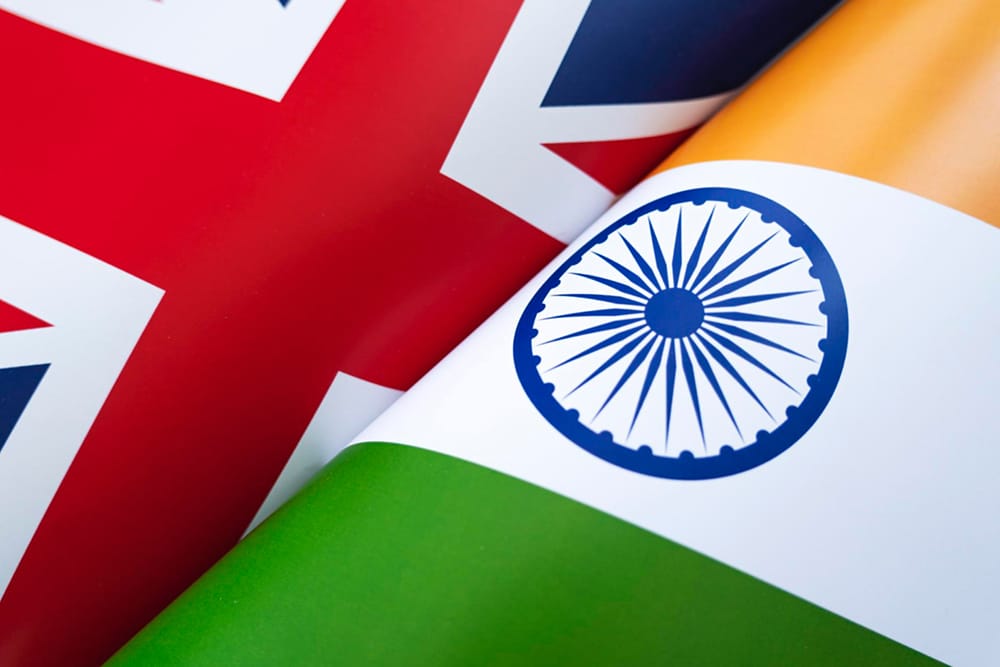
There are few pleasures in life more enduring than a well-matured cask of Scotch. And when one’s heart belongs both to the dram and the quiet alchemy of patient investment, the news of the UK–India Free Trade Agreement reaches the ear like the pop of a well-worn cork. It is full of promise and character.
As a lifelong lover of whisky, and a firm believer in the cask as both an art and an asset, this new agreement with India is more than just political theatre. It is a potentially transformative chapter for the entire Scotch industry and, by extension, for those of us wise enough to invest in its ageing soul.

Tariffs: The Thief at the Tasting Table
Let’s start with tariffs. For years, the Indian government has levied an eye-watering 150% import duty on Scotch whisky, making it a rare indulgence for all but the most determined in the subcontinent.
But this agreement, dear reader, may change that. If the deal delivers what’s been promised — a gradual reduction or capping of those punitive taxes — then the price of fine Scotch in India will come down like the slow legs of a rich single malt on crystal glass.
And what does that mean for those of us with casks laid down in dark, sleeping warehouses across Scotland?
Simply put, rising demand, rising value.
More glasses poured in Mumbai. More returns poured into our accounts.
India: A Market as Big as a Dunnage Warehouse
India isn’t just a large whisky market. It is the largest, by volume. The caveat, of course, is that most of what’s called “whisky” in India is made from molasses and wouldn’t pass muster with a Highland terrier, let alone a Highland distiller.
But make no mistake. There is a thirst in India for the real thing. As disposable incomes rise and tastes mature, there is a cultural shift afoot. And if Scotch becomes more affordable, the velvet grip of true single malts will find its way into more Indian hands.
This is no passing trend. It is an opening of the floodgates,
and our casks are poised beautifully on the other side.

Scotch Will Be Protected, As It Should Be
A dram by any other name is not a dram at all. One of the quieter but more profound aspects of the agreement is the protection of the “Scotch whisky” name under Geographical Indication (GI) rules in India.
That means no more cheap pretenders riding the coattails of centuries-old Scottish craftsmanship. No “pseudo-Scotch” tricking consumers and muddying the waters of value.
Scotch will be Scotch. Its prestige will be reinforced, not diluted.
For the investor, this is nothing short of a reputational gold seal.
The Cask Investor’s Delight: A Rising Tide for All Barrels
This deal doesn’t just favour the big names. Smaller, independent distilleries — those we often admire for their craft and vision — will have a chance to export to India more competitively. That gives depth and diversity to the market, and it adds strength to the cask investment landscape.
So whether your cask hails from Islay, the Highlands, or a quiet Speyside corner with a view of the River Spey, this agreement could soon put more eyes (and palates) on your whisky, especially in one of the most populous nations on Earth.
In Closing: A Toast to Timing and Taste
I’ve always said that investing in whisky requires three things: patience, passion, and foresight. And if you’ve got casks ageing right now, you may just be sitting on the perfect storm of all three.
This trade agreement won’t bottle your whisky for you. But it may very well raise its profile, boost its desirability, and increase the returns when the time to bottle comes.
So here’s to lower tariffs, global recognition, and the glorious Indian market discovering what we already know.
Scotch whisky is not just a drink. It is a legacy in a glass.
Slàinte.