

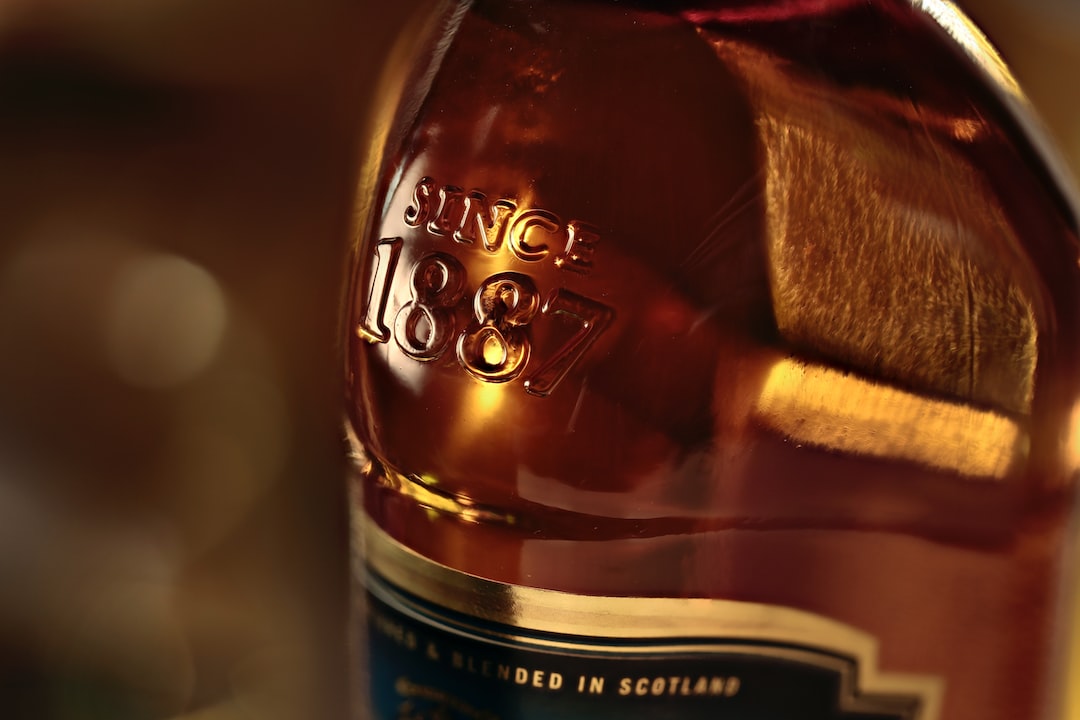
Whisky auctions have become increasingly popular in recent years, attracting both seasoned collectors and newcomers to the world of whisky. These auctions provide a unique opportunity to acquire rare and limited-edition bottles that may not be available through traditional retail channels. However, before diving into the world of whisky auctions, it is important to understand the basics and avoid common pitfalls. This article serves as a beginner’s guide to whisky auctions, providing insights into how they work, common mistakes to avoid, tips for authentication, research strategies, budgeting techniques, and more.
Understand the Basics of Whisky Auctions: A Beginner’s Guide
Whisky auctions operate similarly to other types of auctions, where participants bid on items and the highest bidder wins. However, there are some key differences and nuances specific to whisky auctions. Firstly, there are different types of auctions, including live auctions held in physical locations and online auctions conducted through dedicated platforms. Each type has its own advantages and disadvantages, so it is important to understand these differences before deciding which type of auction to participate in.
In addition to understanding the types of auctions, it is also crucial to familiarize yourself with the common terms and jargon used in whisky auctions. Terms such as “lot,” “hammer price,” “buyer’s premium,” and “reserve price” are commonly used and understanding their meanings will help you navigate the auction process more effectively. Taking the time to learn these terms will ensure that you can confidently participate in whisky auctions without feeling overwhelmed or confused.
The Top Mistakes to Avoid When Bidding on Whisky
While participating in whisky auctions can be exciting, it is important to avoid common mistakes that can lead to overspending or disappointment. One of the most common mistakes is overbidding and overspending on a bottle. It is easy to get caught up in the excitement of bidding and end up paying more than a bottle is worth. To avoid this, it is essential to set a budget and stick to it. Researching the value of the bottle beforehand will also help you determine a reasonable price to bid.
Another mistake to avoid is not doing enough research on the bottle you are interested in. It is important to know the history, rarity, and condition of the bottle before placing a bid. This will help you make an informed decision and avoid bidding on bottles that may not be worth the price. Additionally, ignoring the condition of the bottle can lead to disappointment if you receive a bottle that is damaged or not as described. Always carefully read the auction listing and ask for additional information or photos if needed.
Lastly, it is crucial to factor in additional costs when bidding on whisky at auctions. In addition to the hammer price, there may be a buyer’s premium, shipping fees, and taxes that need to be considered. Failing to account for these costs can result in unexpected expenses and may affect your overall budget. It is important to carefully read the auction terms and conditions to understand all associated costs before placing a bid.
How to Spot a Fake Whisky Bottle: Tips and Tricks for Authentication
With the rise in popularity of whisky auctions, unfortunately, there has also been an increase in counterfeit bottles circulating in the market. Spotting a fake whisky bottle can be challenging, but there are some common signs to look out for. One of the most obvious signs is poor labeling or packaging quality. Counterfeit bottles often have inconsistencies in font, spelling errors, or blurry labels. Additionally, checking the bottle’s packaging for holograms or other security features can help authenticate its legitimacy.
To further authenticate a whisky bottle, there are tools and resources available that can assist in the process. Whisky experts and collectors often rely on databases and reference books that provide detailed information about specific bottles and their characteristics. These resources can help identify unique features or markings that are specific to genuine bottles. Additionally, seeking the opinion of reputable experts or attending whisky authentication events can provide further assurance of a bottle’s authenticity.
When participating in whisky auctions, it is crucial to buy from reputable sources. Established auction houses and trusted online platforms have strict authentication processes in place to ensure the bottles they sell are genuine. Avoid purchasing from unknown sellers or platforms that do not have a proven track record. Doing thorough research on the seller’s reputation and reading reviews from other buyers can help mitigate the risk of purchasing a fake bottle.
Finding the Best Whisky Auctions and Deals
Research is a crucial aspect of participating in whisky auctions. It not only helps you find upcoming auctions but also allows you to identify the best deals and understand the value of the bottles you are interested in. There are several ways to research upcoming auctions, including subscribing to auction house newsletters, following them on social media, and joining online whisky communities where members often share information about upcoming auctions.
When researching upcoming auctions, it is important to pay attention to the auction catalog and carefully read the descriptions of the bottles you are interested in. This will give you an idea of their rarity, condition, and estimated value. Additionally, researching recent sales of similar bottles can help you gauge their market value and determine a reasonable price to bid.
Finding the best deals in whisky auctions requires a combination of research and timing. Some bottles may be undervalued or overlooked by other bidders, presenting an opportunity for a good deal. By researching the market value of a bottle and monitoring previous auction results, you can identify potential bargains. However, it is important to exercise caution and not get carried away with bidding solely based on price. Always consider the overall value and condition of the bottle before placing a bid.
Strategies for Staying on Track and Avoiding Overspending
Setting a budget is essential when participating in whisky auctions. It helps you stay on track and avoid overspending on bottles. Before entering an auction, determine the maximum amount you are willing to spend on a bottle and stick to it. This will prevent you from getting caught up in the excitement of bidding and potentially overpaying.
One strategy for setting a budget is to research the estimated value of the bottle you are interested in and use that as a starting point. Consider factors such as rarity, age, condition, and desirability when determining the value. It is also important to factor in additional costs such as buyer’s premium, shipping fees, and taxes when setting your budget.
To avoid overspending, it can be helpful to set a limit for each bottle you are interested in. This will prevent you from getting carried away and bidding beyond your means. Additionally, consider setting a budget for the entire auction and allocate funds accordingly. This will help you prioritize which bottles to bid on and prevent impulse purchases.
Networking and Learning Opportunities
While online whisky auctions offer convenience and accessibility, attending live auctions can provide unique benefits. One advantage of attending live auctions is the opportunity for networking with other collectors. Interacting with fellow enthusiasts allows you to share knowledge, learn from their experiences, and potentially make valuable connections within the whisky community.
Live auctions also offer learning opportunities through expert presentations or masterclasses that are often held alongside the auction. These sessions provide insights into various aspects of whisky collecting, including tasting techniques, distillery histories, and investment strategies. Attending these sessions can enhance your knowledge and deepen your appreciation for whisky.
Maximizing Your Chances of Winning and Avoiding Scams
Bidding online in whisky auctions has become increasingly popular due to its convenience and accessibility. However, it is important to take precautions to ensure a safe and successful bidding experience. When bidding online, always use reputable auction platforms that have a proven track record and positive reviews from other buyers. Avoid unknown or unverified platforms that may be prone to scams or counterfeit bottles.
To maximize your chances of winning, it is important to carefully read the auction listing and understand the terms and conditions. Pay attention to details such as the starting bid, bidding increments, and any reserve prices that may be in place. Additionally, set a maximum bid for each bottle you are interested in and use proxy bidding if available. Proxy bidding allows you to set your maximum bid upfront, and the system will automatically increase your bid incrementally until your maximum is reached.
When bidding online, be cautious of potential scams. Look out for warning signs such as sellers with limited or no feedback, unusually low prices, or requests for payment outside of the auction platform. If something seems too good to be true, it probably is. Trust your instincts and if in doubt, seek advice from experienced collectors or experts before proceeding with a purchase.
When to Bid and When to Hold Back
Timing is crucial in whisky auctions and can greatly impact your chances of winning a bottle at a desirable price. Understanding when to bid and when to hold back requires careful observation and reading the room. One strategy is to wait until the last moments of an auction before placing a bid. This can catch other bidders off guard and potentially secure a bottle at a lower price.
However, it is important to exercise caution when employing this strategy. Waiting until the last moments can also lead to missed opportunities if other bidders are employing the same tactic. It is essential to monitor the auction closely and be prepared to act quickly when necessary.
Another timing strategy is to bid early and establish dominance in the auction. By placing strong bids early on, you may discourage other bidders from competing against you. However, this strategy requires confidence in your knowledge of the bottle’s value and the willingness to potentially pay a higher price.
Navigating the Competitive World of Whisky Collectors
The world of whisky collectors can be competitive, but it is also a community that values knowledge, passion, and integrity. Building a reputation within the community can open doors to exclusive opportunities and valuable connections. One way to build a reputation is by actively participating in whisky forums, social media groups, and attending events or tastings. Sharing your knowledge, experiences, and insights can help establish you as a respected member of the community.
Making connections with other collectors is also important in navigating the competitive world of whisky collecting. Networking with fellow enthusiasts allows you to learn from their experiences, gain access to rare bottles or limited releases, and potentially collaborate on bottle shares or tastings. Attending whisky festivals or joining local whisky clubs are great ways to meet like-minded individuals and expand your network.
To become a respected member of the community, it is important to approach whisky collecting with integrity and respect for others. Avoid engaging in unethical practices such as scalping bottles or spreading false information. Instead, focus on building genuine relationships based on shared interests and a love for whisky.
Selling and Trading Strategies for Profit and Enjoyment
While building a whisky collection is exciting, there may come a time when you decide to sell or trade some of your bottles. Having a strategy in place can help maximize your profits and ensure a smooth transaction. When selling your collection, it is important to research the market value of your bottles and set realistic prices. Consider factors such as rarity, condition, age, and desirability when determining the value.
Trading bottles can be a great way to acquire new additions to your collection without spending additional funds. Joining online whisky trading communities or attending bottle swaps allows you to connect with other collectors and negotiate trades. When trading, it is important to accurately describe the condition and provenance of your bottles to ensure a fair exchange.
While profit and investment potential are important aspects of whisky collecting, it is equally important to enjoy your collection. Whisky is meant to be savored and shared, so take the time to appreciate the bottles you have acquired. Host tastings or share drams with friends and fellow enthusiasts to create memorable experiences and deepen your appreciation for whisky.
Whisky auctions provide a unique opportunity to acquire rare and limited-edition bottles that may not be available through traditional retail channels. However, before participating in whisky auctions, it is important to understand the basics and avoid common mistakes. By familiarizing yourself with how auctions work, understanding common terms and jargon, researching bottles, setting a budget, and networking with other collectors, you can navigate the world of whisky auctions with confidence. Remember to approach whisky collecting with integrity, enjoy your collection, and continue learning and exploring the fascinating world of whisky.
If you’re interested in whisky auction strategies, you may also want to check out this article on “Tobermory Cask Whisky Investment” by Stewart & Robertson. This article provides insights into the potential investment opportunities and benefits of investing in Tobermory cask whisky. It explores the factors that make Tobermory a desirable investment option and offers valuable advice for those looking to diversify their whisky portfolio. Read more